Where Falling Object Accident Usually Happens
Falling objects can cause accidents anywhere, but certain areas are more prone, including near construction sites, under common flight paths, and in regions with frequent natural disasters. Understanding these risks can help you prepare and protect your property and personal safety.
The High Risks At Construction Sites
Construction sites are primary hotspots for falling object accidents, presenting a unique set of challenges for both workers and passersby. The dynamic nature of these environments, where structures are built, demolished, and materials hoisted, significantly increases the likelihood of debris falling. From tools and building materials to debris, the potential for damage and injury is considerable. In these cases, having a robust policy is crucial. It's not just about covering the damage to property or cars; it's also about ensuring that personal injuries are addressed. Insurance providers often have specific clauses regarding incidents on or near construction sites, detailing the extent of coverage. This makes it vital for individuals and businesses alike to understand their policy's specifics to ensure that the damage from such disasters are indeed covered.
The Perils Of Natural Disasters
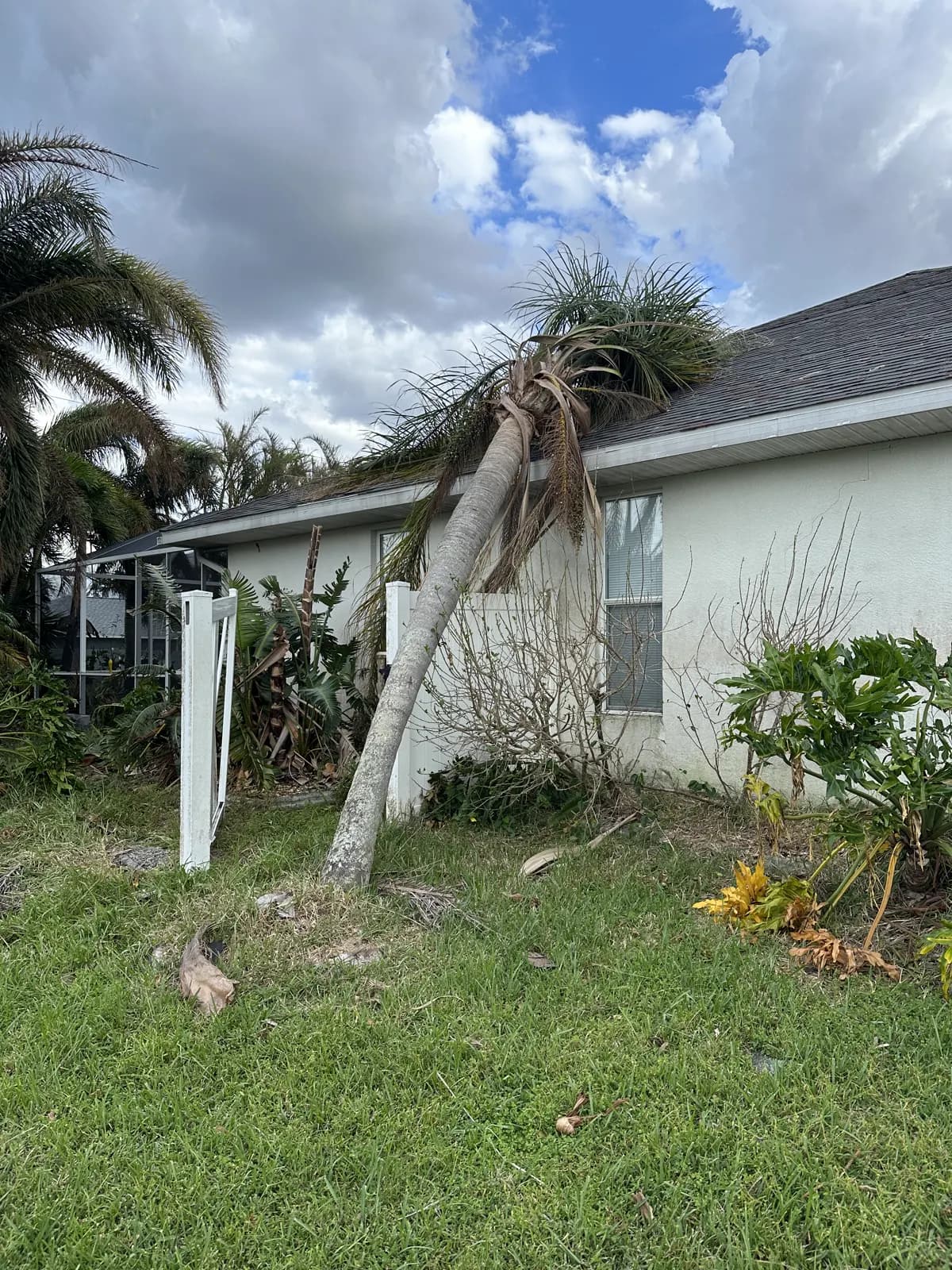
Regions prone to frequent natural disasters, such as hurricanes, earthquakes, or heavy storms, face an elevated risk of falling object accidents. These events can hurl things at high speeds, turn unsecured items into projectiles, and cause significant property damage and injury. In these scenarios, the right insurance coverage becomes a lifeline. Claims tailored to these regions such as Palm Beach and Broward County often include covered perils related to natural disasters, but the specifics can vary widely. For homeowners and car owners, it's essential to review their insurance policy to ensure it encompasses damage brought about by natural disasters, including falling objects. Insurance companies typically assess these cases meticulously, determining coverage based on the nature of the object, the cause of the fall, and the damage incurred. This underscores the importance of not only having insurance but understanding the depth of its coverage in areas frequently facing the wrath of nature.
In both contexts, the emphasis on preparedness and knowledge cannot be overstated. Whether it's a construction site's unpredictable hazards or the formidable force of natural disasters, being informed about the specifics of one's policy and the coverage it offers is paramount. This not only ensures financial protection against the damage and object injuries but also provides a measure of security in navigating the aftermath of such incidents.